When Home Generators Fail
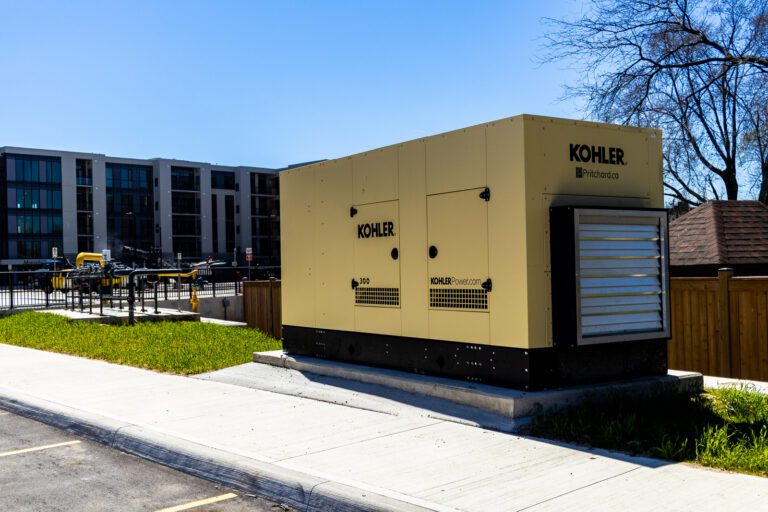
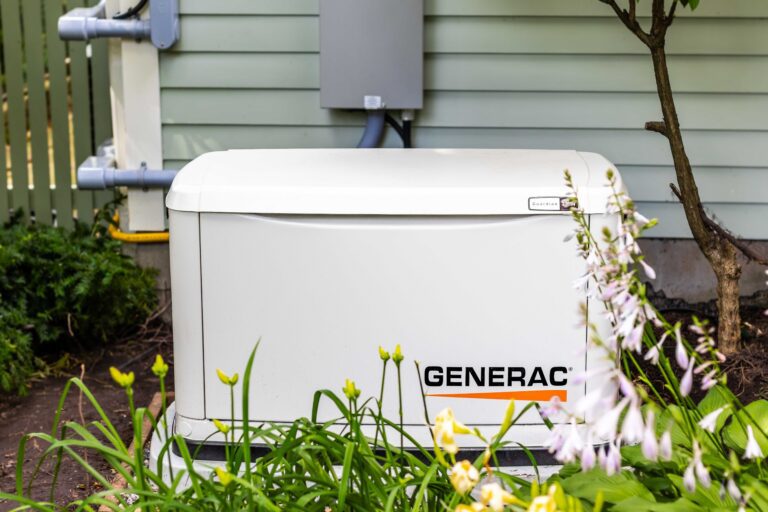
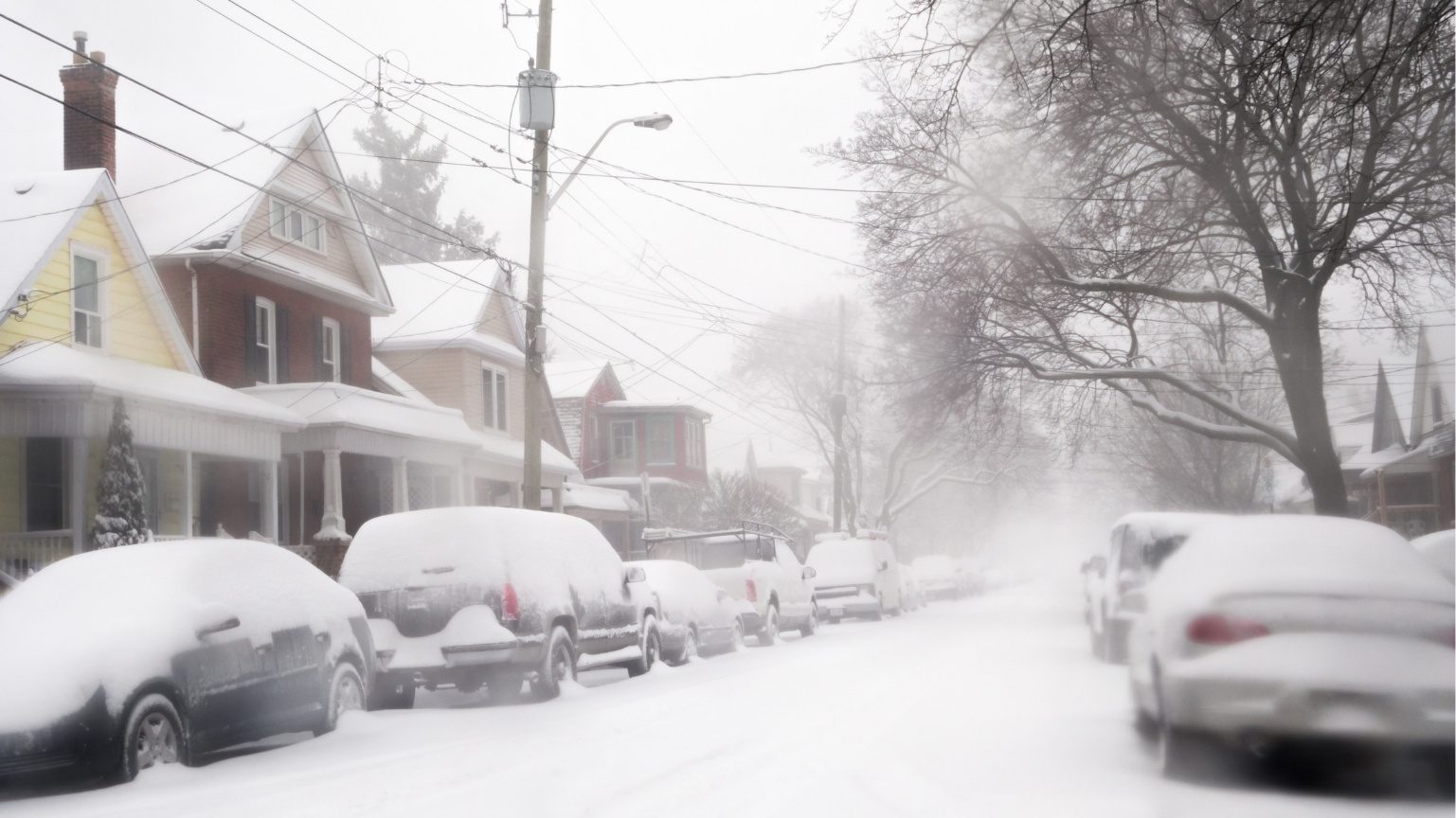
Automatic standby generators are great protection for your home when the power goes out. They can restore power to your home in under two minutes and typically power your whole house. You can find out more about them in this article. However, as some found out in the 2022 Christmas storm, failures can occur.
A standby generator needs regular servicing to be ready when an outage occurs. Another issue during the storm was that some generators were not appropriately serviced.
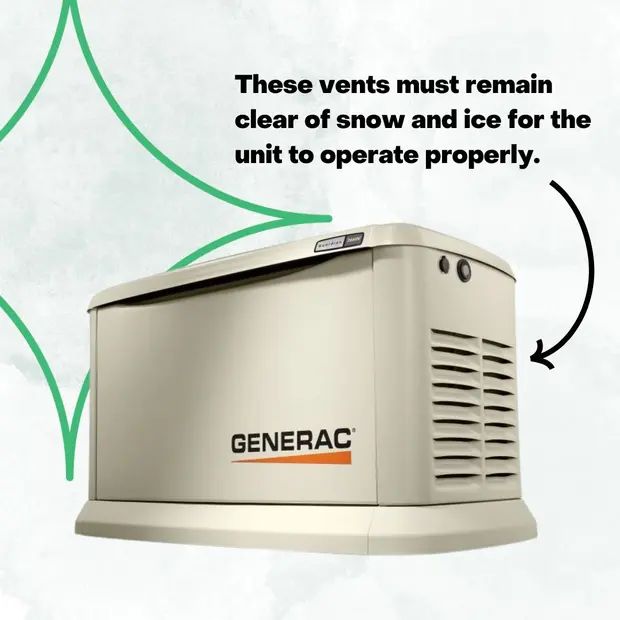
If the engine sits for six months to a year without being run or serviced, it may struggle to start up properly. The same goes for a generator. The generator sits outside year-round, so regular maintenance is essential to ensure it functions properly.
How to prepare your automatic standby generator for a storm
The first way to prepare your generator is to keep it properly maintained. This includes scheduled servicing and running to ensure it functions correctly. Kraun offers Generac generator service plans for hassle-free maintenance.
Another way to prepare for a storm is by adding protection to your generator’s location. In the days leading up to a storm, you can run the generator and be confident that it is in working order. You could also set up snow fencing around the unit to protect it from the elements as much as possible.
During the storm, you can run the unit every so often to melt snow and ice buildup. It also helps to clear snow from the unit and the surrounding area.
A case for portable generators
The convenience and benefits of a standby generator are solid, even if they require a little more attention during a once-in-a-generation storm. However, considering the imperfect nature of standby generators, portable generators are worth considering.
The first, and most obvious point, is price. The unit plus labour costs about one-third as much as a standby generator setup. It can also come with you if you move, rather than being a permanent fixture in the house.
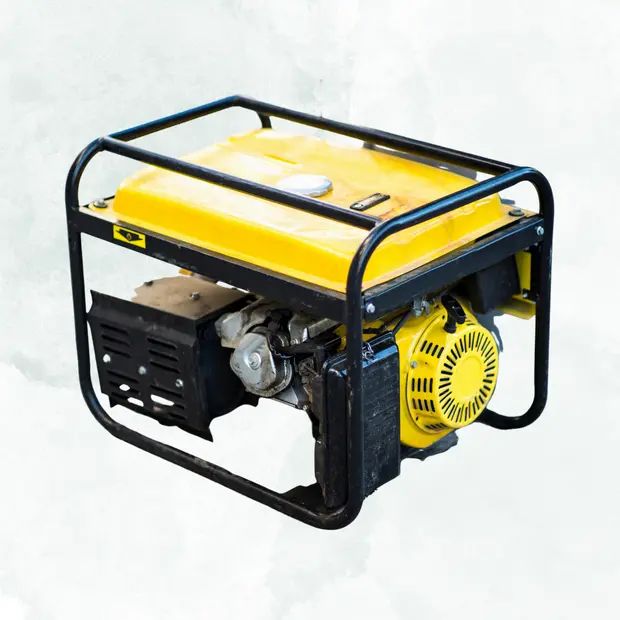
Another benefit is mobility. Since you decide where to run the generator, you can avoid areas with strong winds or heavy snow. A fuel-burning portable generator must run outdoors, at least 6 metres (20 feet) from buildings, with exhaust facing away from doors and windows. Never run one in a garage or shed, even with the doors open. Follow the manufacturer’s instructions and Health Canada’s generator safety guidance. Assuming you keep the portable generator in a protected place and pull it out when needed, it won’t be covered with ice either. With proper maintenance, it will be ready when you need it.
Portable generators still need maintenance, just like a standby generator. Unlike a standby unit, a portable generator is not strong enough to power your entire home. It will give you enough electricity to run your furnace, fridge, sump pump, and some lights and outlets, so you can at least feel comfortable and protected. Just don’t forget to stock up on enough fuel to get you through a storm.
There are benefits and drawbacks to each type of generator. Standby generators are often more convenient, but portable units prove their worth
Need help with generator servicing or planning a backup-power installation? Call Kraun’s service team at 905-684-6895, email service@kraun.ca, or use the form below to discuss your generator and service needs.