Design-Build vs Design-Bid-Build: Which is Best?
In construction, choosing between design-build and design-bid-build is akin to selecting the right tool for the job. One adheres to the time-tested tradition of separation, while the other offers the allure of streamlined collaboration. Each method has its advantages and disadvantages, and selecting the right one can significantly impact a project’s design, cost, and timeline.
Each method has its advantages and disadvantages, and selecting the right one can significantly impact a project’s design, cost, and timeline. In this blog post, we’ll compare these two popular construction approaches and define what types of projects benefit from each process to help you make an informed choice for your next project.
What is the design-bid-build process?
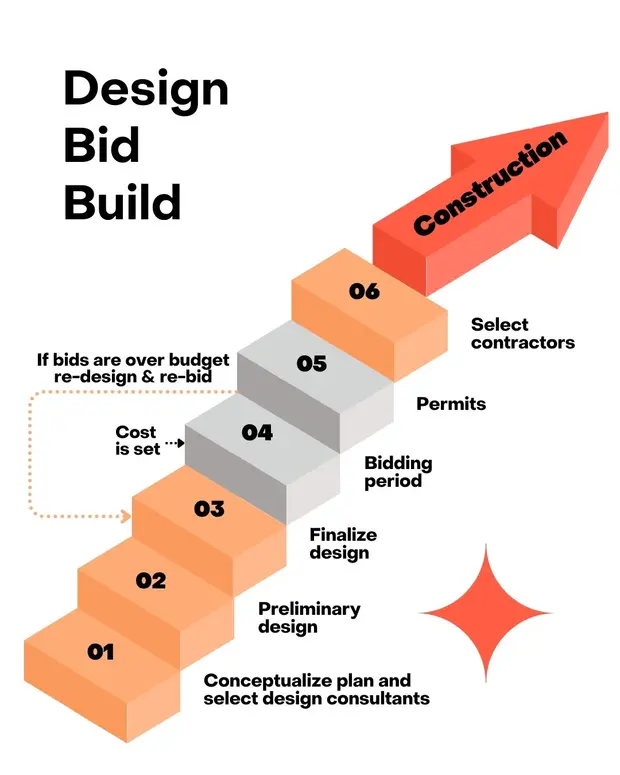
Design-bid-build is a more traditional tendering process for a construction project. The process involves the owner hiring a design team, typically an architect, to design the project. After finalizing the design, the owner sets a budget and invites contractors to bid on the project to find the most competitive pricing to complete the work. If the owner cannot find contractors to complete the project within or under the budget, a redesign and rebidding process is initiated. Sometimes, this happens multiple times until they meet the budget. From there, the project can get permits, subcontractors are hired, and construction begins.
What type of projects benefit from design-bid-build?
Design-bid-build is often ideal for public projects such as municipal, university, school, and hospital projects with tight budget constraints. Also, straightforward, relatively simple design projects can benefit from a bidding process to secure a lower construction cost.
Design-bid-build advantages and disadvantages
Pros of design-bid-build
- Clear Separation of Roles: Design-bid-build maintains a strict separation between the design and construction phases, which can provide a layer of quality control and oversight. It gives a straightforward, hands-off approach to the project owner.
- Competitive Bidding: Multiple contractors submit competitive bids, potentially lowering construction costs. This method can help maintain project budget constraints.
Cons of design-bid-build
- Extended Timelines: Design-bid-build projects typically have longer timelines due to the sequential nature of design and construction. The redesign and rebidding process can occur multiple times, significantly delaying the start of construction.
- Bid Shopping: Some contractors may submit low initial bids to win the project, but then request numerous change orders and cost adjustments throughout the project, increasing overall costs.
- Coordination Challenges: If not appropriately managed, conflicts and disputes may arise between the designer and the contractor. There may be gaps between the initial design and the construction logistics. For example, the plan may not accurately account for fluctuating material costs, backorders, supply chain issues, and other factors.
What is the design-build process?
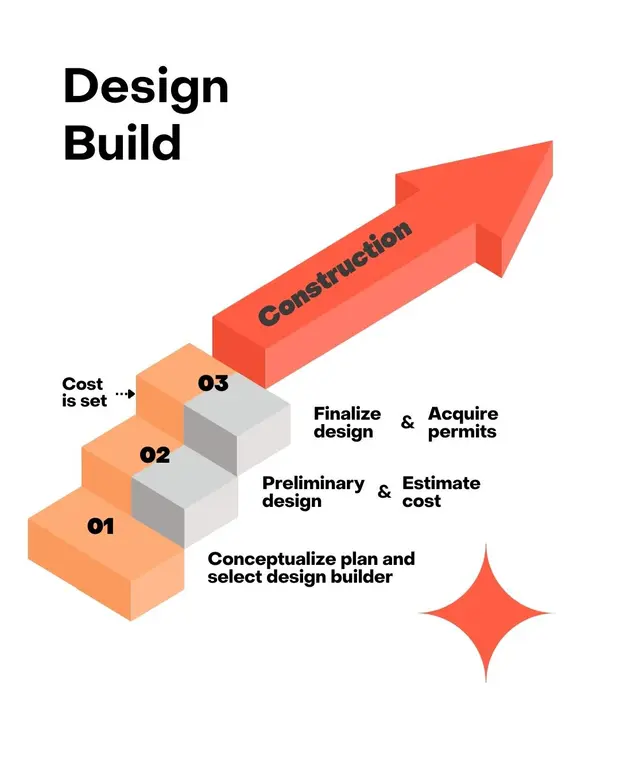
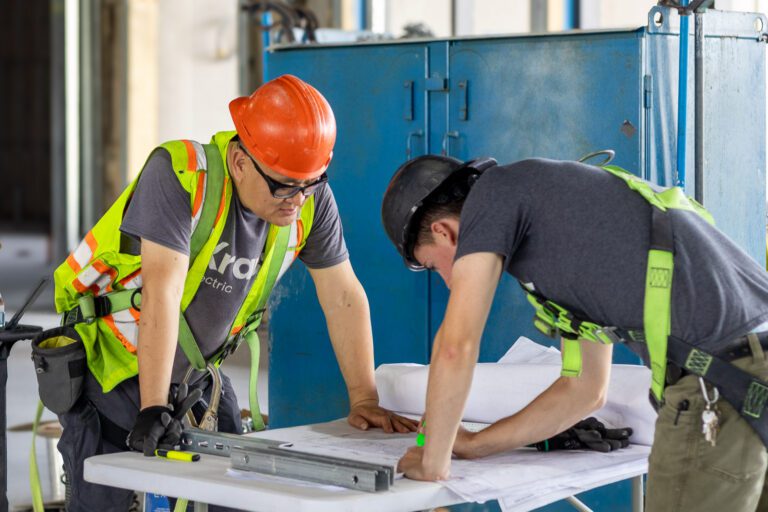
The design-build process functions quite differently. From the beginning, the owner hires a design-builder. This is typically handled by a general contractor and may involve an architect for design input when needed. Together, they collaboratively design the optimal project. A unique project can come to life with the builder’s industry knowledge, the architect’s design consultation, and the owner’s participation.
While working on the design, they can simultaneously create a cost estimate and hire subcontractors. Subcontractors can rely on existing relationships with subcontractors to build a team that works quickly and effectively. During the design finalization, they can take out permits and begin construction soon after.
Design-build advantages and disadvantages
Pros of design-build
- Streamlined Process: Design-build offers a streamlined and efficient process by eliminating the sequential nature of design-bid-build. Design and construction activities overlap, potentially reducing project timelines. The ability to cost-check with more expensive trades, such as mechanical and electrical, can also produce a more accurate cost estimate much earlier in the design process.
- Single Point of Responsibility: With design-build, the owner deals with one entity, simplifying communication and accountability. There’s no need to mediate between separate designers and contractors.
- Cost Savings: Collaboration between the design and construction teams in design-build can lead to innovative solutions and cost savings. This integrated approach often results in fewer change orders and cost overruns.
- Flexibility: Design-build is adaptable and suitable for a wide range of project types, especially those with complex requirements or tight schedules.
Cons of design-build
- Potential for Conflicts of Interest: The design-builder may prioritize cost savings over design quality. However, careful selection and clear project objectives can mitigate these risks.
- Limited Competitive Bidding: Design-build reduces opportunities for competitive bidding, which could affect pricing competitiveness.
In conclusion, choosing between design-bid-build and design-build is not a one-size-fits-all decision. Each project delivery method has advantages and disadvantages, making them suitable for different types of projects and owner preferences. Ultimately, the choice should align with the specific needs and goals of the project. If you have a design-build project, you need a licensed electrical contractor on it. Kraun Electric is here to help!
You can connect with us by phone, email or through the form on this page. We look forward to getting started!