Planning an Electrical Shutdown: a step-by-step playbook
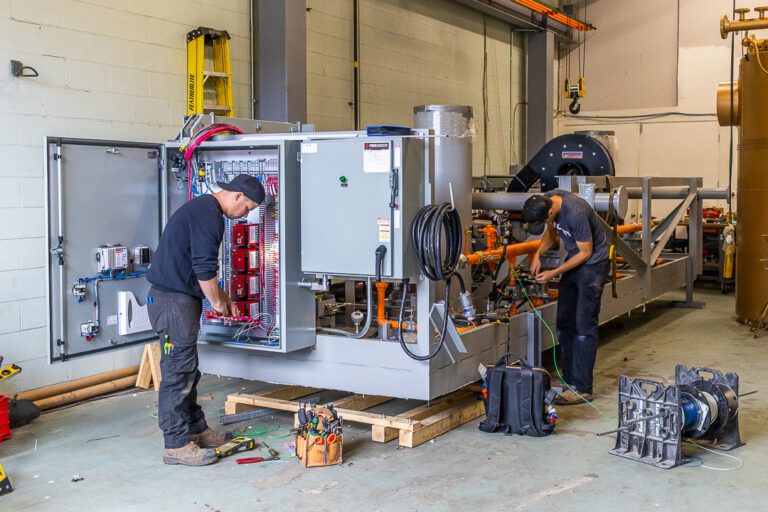
Planning a shutdown is never just about shutting off power. It usually means trying to complete necessary work without causing other operational problems. Regardless of whether it’s routine maintenance, equipment replacement or additions, or tenant-related changes, the challenge is the same: take the right thing offline, for the right amount of time, with as little disruption as possible.
That is where shutdowns get stressful. The outage window is limited. Different people have different priorities. Tenants want clarity. Operations wants continuity. Safety requirements still have to be met. And if the shutdown runs long, affects more of the building than expected, or creates restart issues afterward, you’ve got an even bigger disruption on your plate.
So the real question is: how do you plan an organized, controlled, and predictable shutdown?
The short answer is that the best shutdowns are considered operational events, not just electrical tasks. That means you have defined its true scope, identified affected systems and stakeholders, coordinated communications, prepared for isolation and restart, and documented the process. Hence, there are fewer surprises on the big day.
Why planned shutdowns still turn messy
Most shutdowns go off track because the planning didn’t reflect reality. On paper, it might look straightforward. But on the day, someone isn’t ready, access is delayed, a part grows legs and walks away, or a surprise dependency arises after the system goes offline. Each small issue can quickly compound time and pressure because the working window shortens and restart stress increases.
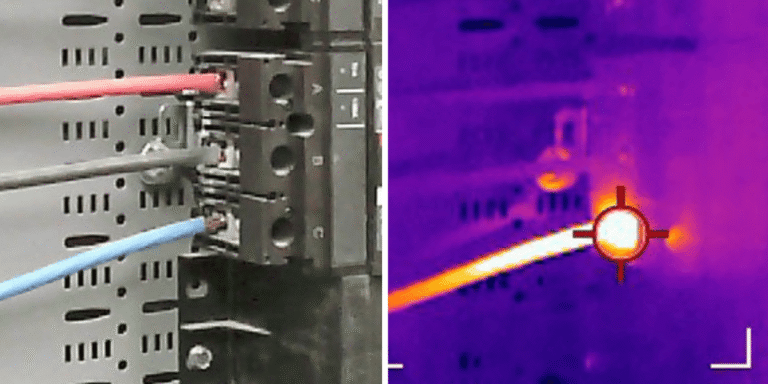
That pressure gets even higher near the end, just before re-energization. It is where hidden issues show up, startup sequences matter, and everyone is waiting to see whether the building comes back the way it should.
Great shutdown planning is not just about the electrical stoppage. It is also about realistic timing, vendor coordination, clear decision-making, contingency planning, and the restart.
A well-planned shutdown defines what is affected, limits avoidable disruption, coordinates the right people, and prepares for a safe restart before the work begins. The rest of the process is about making that control real.
How to plan the work without creating a bigger problem
Before you lock in the shutdown window
Define the outage boundary
Before you approve a shutdown window, the team should be able to define exactly what is going offline and how far that outage will reach.
At a minimum, the shutdown plan should answer:
- What equipment is getting serviced or added?
- What upstream and downstream equipment must be de-energized to do it safely?
- Where does the outage boundary actually start and stop?
- What else does that section feed?
Preventive maintenance pays dividends here. Accurate drawings, panel schedules, and field labelling make it simple to define the scope. Outdated and inaccurate documentation slows shutdown planning, leading to increased assumptions and risks.
Identify affected operations and critical loads
Once the outage boundary is clear, the next question is impact. A shutdown plan should identify what equipment is de-energized and how that impacts operations.
Depending on how far upstream you must disconnect power, critical building functions and other hidden dependencies often get missed. Think of things like access control, BAS controllers, tenant-facing systems, sump pumps, refrigeration, etc.
Before the outage window is approved, you will also need to identify if life-safety systems, emergency power, emergency lighting, or other compliance-sensitive systems may be affected.
Set the downtime parameters before you book the window
The last question is not whether the team can complete the work. But rather, can they complete the work within a shutdown window that the building can actually tolerate?
That means defining:
- How long can the outage realistically last
- Whether the work needs to happen after hours or in phases
- Which systems must be restored first
- What the go/no-go point is, if the preconditions aren’t met
- What contingency exists if the work runs long
A shutdown window that underestimates the risks of delay is fragile and creates unnecessary pressure.
Before shutdown day
Lock down approvals, access, and notifications
Before the outage window starts, make sure the administrative side is truly in place. That includes:
- Access confirmation: rooms, roof access, keys, escorts, loading areas, and any after-hours entry requirements.
- Timely notification requirements: tenants, occupants, security, and, where applicable, life-safety/fire-related notifications.
- Approvals and permits: internal sign-off, landlord/property approval, shutdown authorization, Electrical Safety Authority, and mandatory backup procedures.
Confirm people, materials, and dependencies
Many shutdown delays start before the electrical work does. Before shutdown day, confirm the following groups are ready:
- People: electricians, controls/vendor support, facilities contact, security, and anyone needed for access, restart, or troubleshooting.
- Parts, tools, and pre-work: ideally, you’re starting with all materials, complete preparation, and a clear sequence.
- Dependency Maps: Automation systems, access control, network gear, elevators, HVAC controls, pumps, equipment, emergency systems, and other loads tied to the affected section.
Brief the plan and define the fallback
Everyone involved should understand the plan. You need unanimous clarity on:
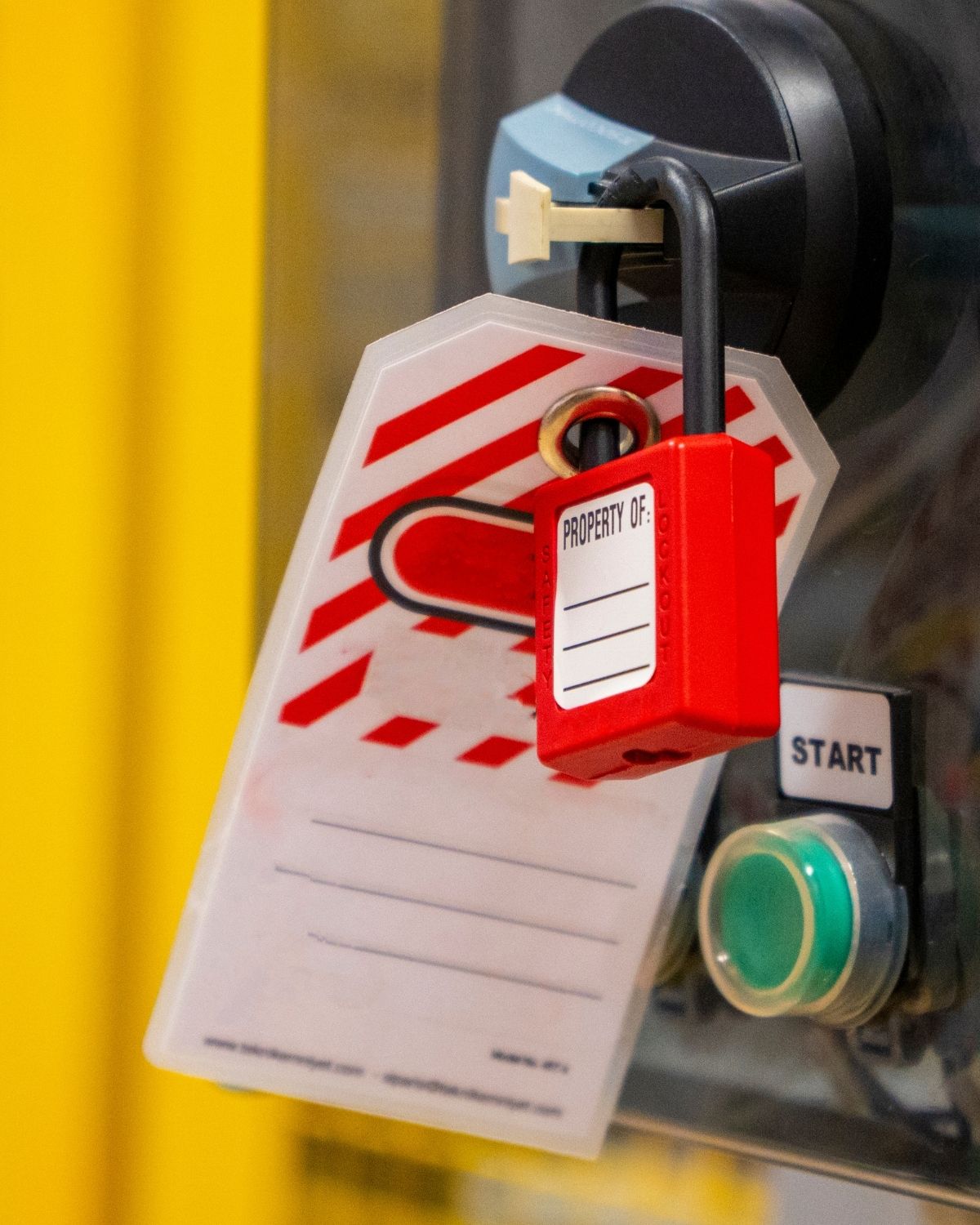
- The sequence and decision points: who isolates, who verifies, who communicates status, and who signs off before re-energization.
- A go/no-go threshold: if access, materials, vendor support, or critical preconditions are missing, there’s agreement to delay rather than improvise.
- The fallback plan: if the work runs long, a hidden issue appears, or a critical system does not restart as expected, everyone knows what to do and has what’s needed to do it.
During the shutdown
The shutdown day should feel boring because it’s scripted.
Once the shutdown begins, controlling the outage is the priority. That means staying within the agreed shutdown boundary, maintaining clear communication with operations and affected stakeholders, and carefully managing any changes rather than letting the scope expand in the moment. Good planning pays off here: fewer surprises, fewer mixed signals, and less risk of turning a planned outage into a bigger operational problem.
After the shutdown: close-out steps that reduce future downtime
If, after all this work, you think you’ve finished the job, you’re making a big mistake. After completing, capturing what you just completed in a close-out provides the greatest benefit for the future.
Update the records while the details are still fresh. Capture what changed, what you tested, what needs follow-up, and any unscripted complications, like access issues, missed dependencies, late approvals, etc.
When done properly, close-out reduces uncertainty and sharpens the scope for the next shutdown.
Before shutdown approval, have clear answers for these questions
A shutdown should not be approved on confidence alone. Before the outage window is locked in, the team should be able to clearly answer a few basic questions.
- Do we fully understand the outage boundary?
- Do we understand the operational impact?
- Is the job truly ready to start?
- What is the restart plan?
- What comes out of this shutdown afterward?
A coherent answer to these questions means you’re set.
How Better Shutdown Planning Supports Preventative Maintenance
Preventive maintenance does not eliminate shutdowns, but it does make them easier to plan and execute. When you regularly service equipment, update documentation, and track and resolve recurring issues, shutdowns become much easier. The real value of preventive maintenance lies beyond better equipment care. The true benefits come from lower uncertainty, fewer disruptions, and a more controlled approach to electrical and maintenance work over time.
Conclusion
A good shutdown plan protects more than the electrical work. It protects building operations.
When the real scope is clear, the impact is understood, the restart is planned, and the close-out improves the next job, shutdowns become more predictable and less disruptive. That is how electrical service shifts from reactive support to a stronger long-term maintenance partnership.
Need to plan a shutdown window with less guesswork? We can review your scope, identify outage boundaries, and build a simple shutdown runbook your team can execute confidently. Call us at 905-684-6895, email kraun@service.ca, or use the form below to get in touch with our commercial service department.
FAQ:
How do you plan an electrical shutdown in a commercial building?
Start by defining the true outage boundary, identifying affected operations and critical loads, setting realistic downtime parameters, and confirming approvals, access, materials, and dependencies before shutdown day. A good plan also includes a restart sequence, fallback options, and close-out steps to make the next shutdown easier to manage.
What usually causes a planned electrical shutdown to go wrong?
Most shutdowns go sideways when the plan looks clean on paper but fails to account for real-world conditions. Common problems include delayed access, unclear outage boundaries, missed dependencies, incomplete pre-work, weak communication, and restart issues that only surface after systems are brought back online.
What should happen after an electrical shutdown is complete?
The team should update records while the work is still fresh, capture what changed, note what caused delays or confusion, and use those lessons to improve future maintenance planning. If close-out is skipped, the next shutdown often starts with the same level of uncertainty as the last one.
How does preventative maintenance make shutdowns easier?
Preventive maintenance improves drawings, records, labelling, and equipment history, making the shutdown scope easier to define and reducing guesswork on shutdown day. It does not eliminate shutdowns, but it makes them more controlled, less reactive, and less disruptive to building operations.
How can facility managers reduce downtime during a planned electrical shutdown?
Downtime is reduced by doing the planning work early: clarify the outage boundary, identify what cannot go down, coordinate the right people, avoid last-minute surprises, and treat restart as part of the plan rather than an afterthought. The smoother shutdowns are usually the ones that feel uneventful because the hard thinking happened beforehand.