A definitive guide to Aluminum wiring in Ontario
While aluminum wiring was once widely used in construction for its cost-effectiveness, it has gained a reputation as a potential safety hazard. This guide aims to provide you with everything an owner of a home or facility in Ontario needs to know about aluminum wiring. Don’t worry – this guide is here to empower you with knowledge, not to scare you.
We’ll explore the basics of aluminum wiring, including its history, safety, inspection passability, home insurance concerns, improvement options, and things to watch as your home ages.
How to identify aluminum wiring in your building
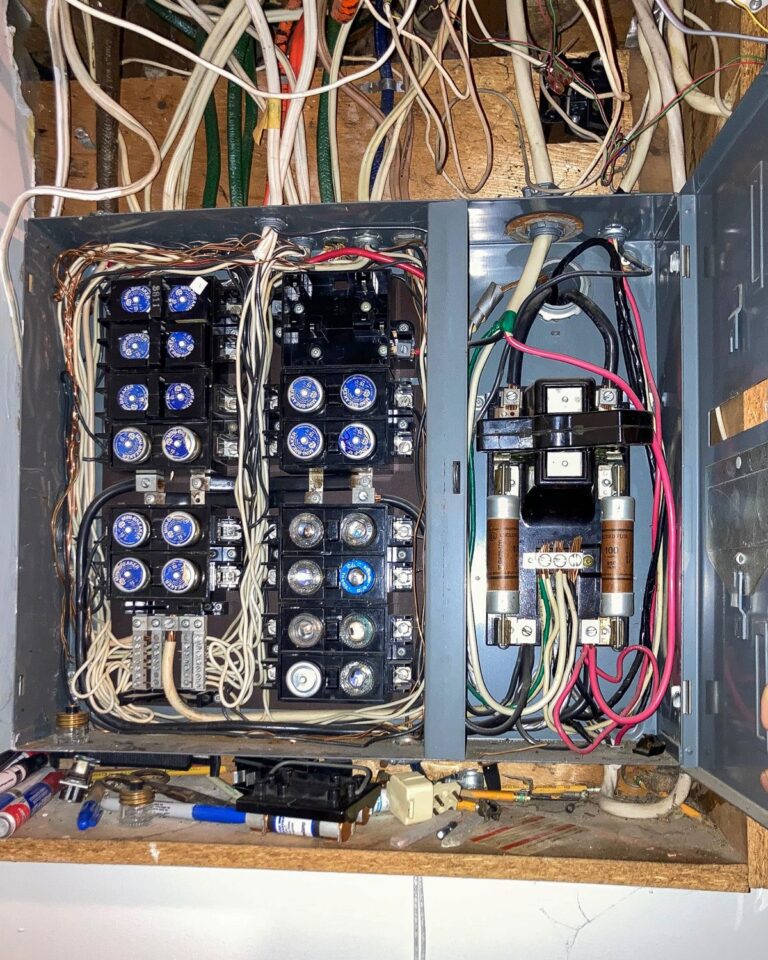
Aluminum wiring is easy to identify. One of the quickest ways to discover what kind of wiring your home has is to check your electrical system. You can look at your electrical panel or, if you have a basement, along the ceiling where the wiring and plumbing run. Look along the wire casing, and you will see it labelled quite clearly. It should say aluminum or AL. Alternatively, copper wiring is typically marked as copper or CU.
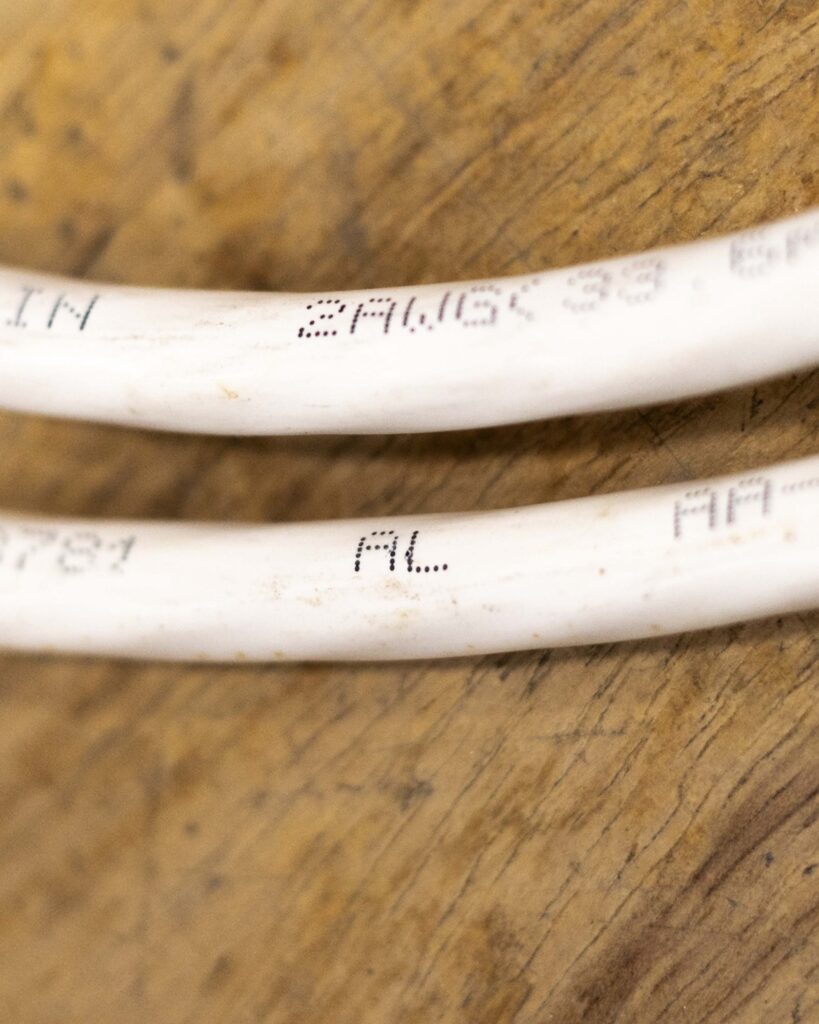
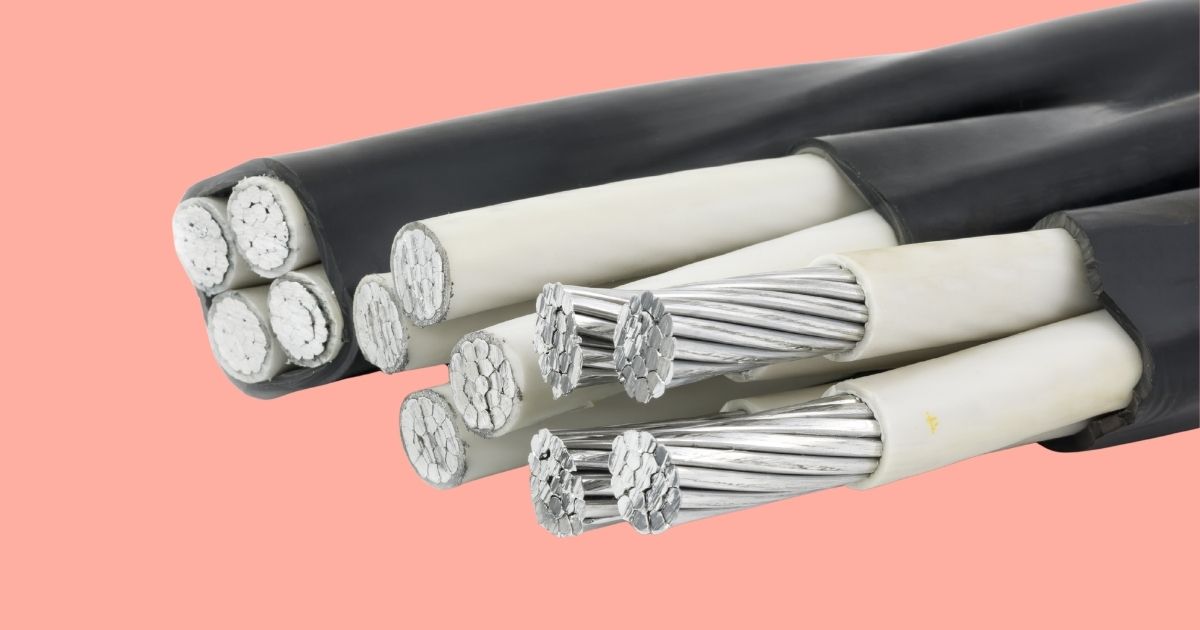
There should be no exposed wires around your building. But, if there were, you’d also see the internal metal part of the wire as more of a silver colour than the orangey-red colour of copper.
When was aluminum wiring used in Ontario?
Aluminum wiring was used throughout the 1960s and 1970s as an alternative to copper wiring. It is a much more affordable material than copper and is perfectly suitable for running electrical systems in your home. Parts of the construction industry still use aluminum wiring because of its lower cost.
It is important to know that extra care is needed when using aluminum wiring. The biggest area of concern is at the ends of the wires, also known as termination points, where the wires connect to a receptacle, such as an outlet or switch. Exposed aluminum wire oxidizes, creating heat and impeding the flow of electricity.
Fortunately, this can be prevented with oxide-inhibiting compounds and quality electrical work.
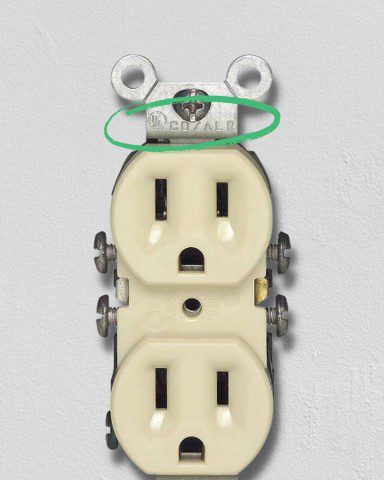
Aluminum also has different electrical properties than copper, so it must be connected to “CO/ALR”- rated receptacles. These receptacles are designed to function with copper or aluminum terminations.
Lastly, you can mitigate the risks of aluminum wiring by using “pigtails.” Pigtails are pieces of copper twisted and capped to the ends of the aluminum wire running through your building. This allows it to have copper terminations and receptacles while saving money using aluminum wiring throughout the rest of the building.
Will aluminum wiring pass inspection?
Aluminum wiring can pass a safety inspection. The Electrical Safety Authority of Ontario inspects all Ontario electrical work. It states, “The Ontario Electrical Safety Code (OESC) permits the installation of aluminum wiring.” In an inspection, the ESA is looking for properly installed aluminum wiring. If it meets OESC guidelines, it will be approved.
Can you get insurance in Ontario with aluminum wiring?
Yes, you can, but your approval rate with aluminum wiring will vary, depending on your insurance company. Here are a few steps you can take to get approval:
- Shop around. There are many companies, and they offer unique coverage at different rates.
- Get a professional electrical inspection. Showing professional approval of your electrical system can improve your odds of getting a policy approved.
- You can upgrade or replace your electrical wiring. See the following section.
- Document every action to prove to the insurance companies that you have done your due diligence.
Cost to replace aluminum wiring in Ontario
If you’re searching for the cost to replace aluminum wiring in a house in Ontario, you’ll find a wide range of estimates. The actual cost depends heavily on the size of the building, the accessibility of the wiring, the condition of the existing electrical system, and how much of it needs to be replaced.
For commercial, industrial and institutional buildings, there is even less value in using a standard cost-per-building estimate.
Aluminum wiring does not necessarily need to be removed simply because it is aluminum. Depending on the condition and application, the appropriate solution could range from addressing individual connections or terminations to replacing sections of wiring or incorporating the work into a larger electrical upgrade.
In an operating facility, several other factors can also affect the scope and cost of the work, including:
- the size and number of conductors involved
- access to existing wiring and electrical equipment
- the condition of panels, switchgear and other distribution equipment
- whether existing raceways can be reused
- equipment and material availability
- shutdown requirements
- production, tenant or facility schedules
- other upgrades are being completed at the same time
This is why an electrical assessment is usually the best place to start. It allows you to understand where aluminum wiring is being used, what condition it is in and whether corrective work is actually required before committing to a larger replacement project.
For facility managers, that information can also make it easier to plan electrical work around shutdowns, budgets and future equipment upgrades rather than discovering problems unexpectedly.
Have aluminum wiring in your facility?
If you manage a commercial, industrial or institutional building with aluminum wiring, Kraun Electric can help you understand what you’re working with and determine the appropriate next steps.
Our ICI service team works with facilities throughout Niagara, Hamilton, and the surrounding area on electrical inspections, diagnostics, preventive maintenance, planned repairs, and upgrades.
Whether you’ve identified a specific concern or want a better understanding of your electrical system’s condition, contact us at 905-684-6895, email us at kraun@service.ca, or use the form below to get in touch.