Fuse vs Circuit Breakers: Which is Best for Your Building?
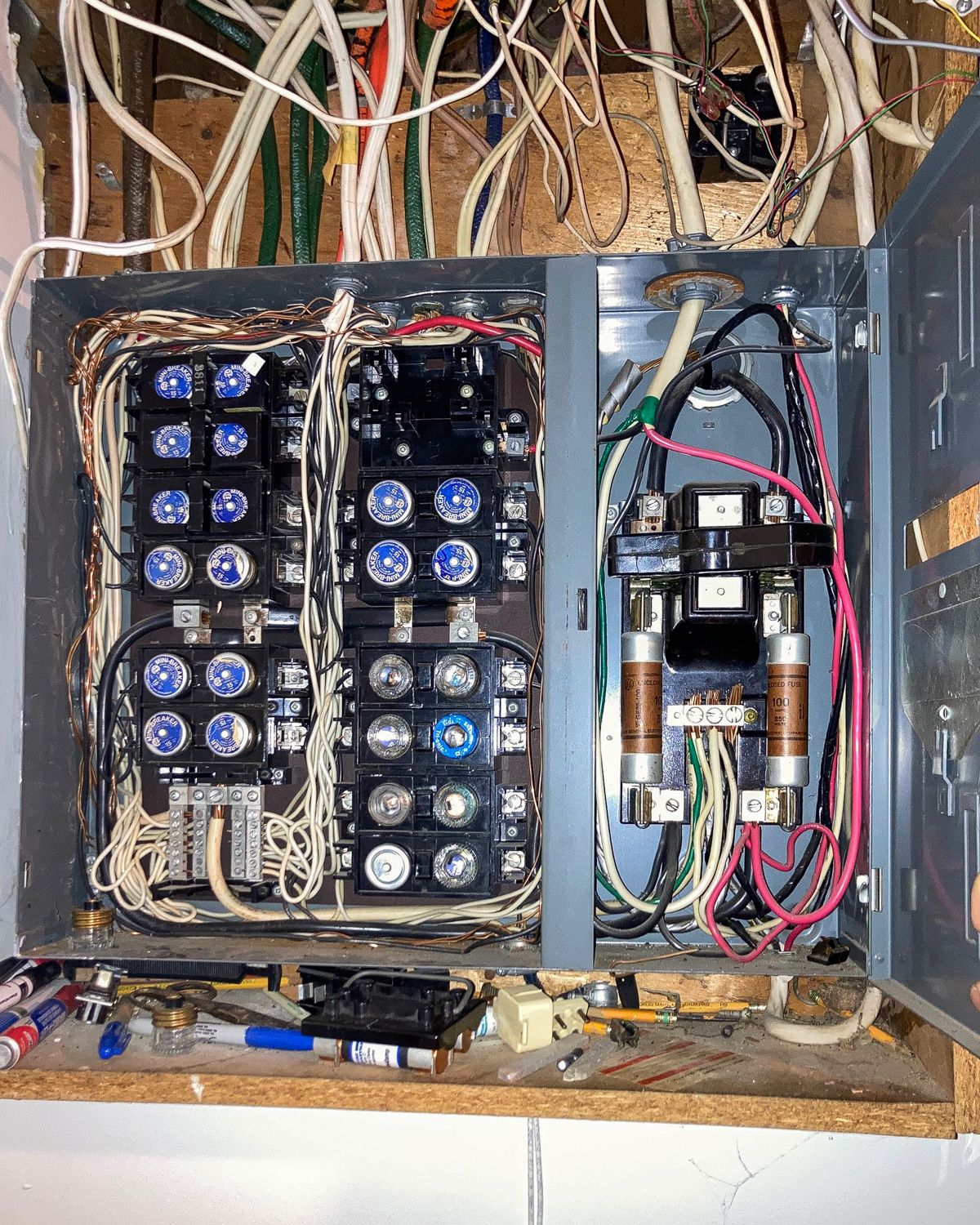
If you’ve worked in an older building, you may have experienced what happens when a circuit is overloaded: equipment shuts off, someone heads to the electrical room, and a blown fuse needs to be replaced before the circuit can be restored.
The inconvenience is only part of the issue. Problems can arise when the wrong fuse is installed or when someone unfamiliar with the electrical system tries to restore power. A fuse that physically fits isn’t necessarily the correct fuse for that circuit, and using the wrong one can create a much larger problem.
The general trend in buildings across Ontario is to replace fuses with breakers, which provide reliable electrical protection with greater convenience and fewer opportunities for user error. This blog explains the shortcomings of fuses, the differences between fuses and circuit breakers, and what to consider if you’re planning an electrical panel upgrade.
What is a fuse in a circuit?
Fuses are inherently safe. When there is an electrical overload in the circuit, the metal strip inside the fuse cartridge melts, breaking the circuit. With your equipment now protected, you can replace the fuse. It is in that replacement part that the risk appears.
If you touch the metal contacts of the fuse or panel, you could get shocked and injured. The other primary concern is using the wrong size fuse or something other than a fuse that still closes the circuit. This frequently happens, often by accident, and increases the risk of overheated wires, melting, fires, and equipment damage.
To prevent issues, Licensed Electrical Contractors (LECs) now must follow specific rules when working on fuse boxes. For example, LECs must install fuse rejectors if adding a circuit to a fuse box. As the name suggests, the rejector will refuse improper fuses or other items placed in the fuse’s housing.
These risks have influenced insurance companies to require homeowners to upgrade their fuse boxes to breaker panels. Even though fuses provide sufficient electrical protection, the potential for user error makes them a less desirable choice to insure.
What is the difference between fuses and circuit breakers?
Circuit breakers and fuses serve the same function. They are part of your electrical panel and are wired to the circuits in your home. If they sense any overflow in power, they will “break” the circuit to protect your wires and appliances.
The major difference between circuit breakers and fuses is that you do not have to replace breakers every time they interrupt the circuit. They stay in your electrical panel and flip off to interrupt power when an overflow occurs.
To reset breakers, they must be flipped entirely off, then flipped back on to get the circuit back to restore power. This simple process reduces the inconvenience and risks of fuses and keeps both you and your insurance company happy.
In the past, some breakers wouldn’t always trip when they were supposed to. They couldn’t protect the home if they didn’t break the circuit! Fortunately, that is much less of an issue as the standards and quality of breakers have vastly improved.
What does an electrical panel replacement cost?
The cost of an electrical panel replacement can vary significantly depending on the building and the electrical system you’re working with.
In a commercial, industrial or institutional facility, replacing a fuse panel with a breaker panel isn’t necessarily as simple as removing one panel and installing another. The scope may depend on the size and type of panel, available electrical capacity, existing wiring, accessibility and the condition of the surrounding electrical distribution system.
Other factors can include:
- the number and size of circuits
- the type and availability of replacement equipment
- modifications required to existing wiring or feeders
- whether other electrical equipment needs to be upgraded
- access to the electrical room or equipment
- shutdown requirements
- production, tenant or operational schedules
- inspection and permitting requirements
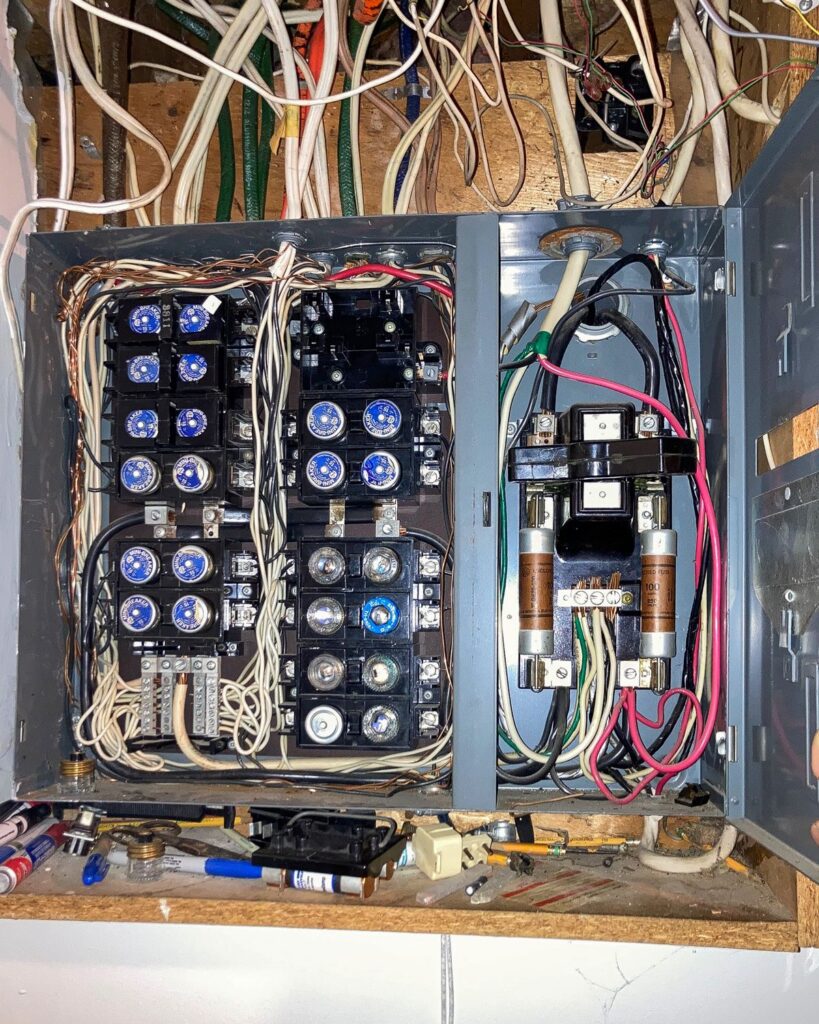
Some existing fuse panels may also be candidates for retrofit solutions rather than complete replacement. A retrofit can allow components within the existing enclosure to be upgraded while reducing some of the demolition or reconstruction that a full panel replacement could require.
Because every facility and electrical system is different, there isn’t a useful standard price for a commercial electrical panel replacement. An electrical assessment can help determine the condition of the existing equipment, whether replacement or retrofit is appropriate, and what will be required to complete the work with as little disruption to the facility as possible.
The fuse vs. circuit breaker verdict
Breakers protect electrical systems from overloads and make it easier to restore a circuit after it trips. Although fuses can provide effective electrical protection, breaker panels offer greater convenience and reduce the risk of errors during power restoration.
If your commercial, industrial or institutional facility still uses fuse panels, Kraun Electric can help assess the existing electrical system and determine whether a retrofit, panel replacement or other upgrade makes sense.
Our ICI service team works with facilities throughout Niagara, Hamilton, and the surrounding area on electrical inspections, planned upgrades, preventive maintenance, and electrical repairs. Contact us at 905-684-6895, email us at kraun@service.ca, or use the form below to get in touch.