Before Winter: 5 Electrical Checks for Your Facility
At 5 pm in September, a burned-out parking lot light can be easy to overlook. But a few weeks later, that same dark spot matters a lot more when employees, tenants or customers are leaving in the dark. Winter has a way of raising the importance of electrical problems that were already there.
It can also make electrical issues trickier to resolve. Snow and ice can restrict access, complicate lift or rooftop work, and require additional site preparation before repairs begin. Weather can narrow the window for exterior work and intensify the impacts of seasonal heating system failures that businesses actively depend on.
That’s why the best time to think about electrical readiness in winter is before it decides the timing for you.
Here are five areas worth reviewing and resolving while you still have time.
1. Check exterior lighting
Exterior lighting is one of the most common seasonal issues our service team sees.
Through the warmer months, a failed fixture or poorly lit corner of a parking lot may go unnoticed. Then November arrives, and suddenly, staff are walking to their vehicles in the dark. Slip-and-fall risks also appear later in the winter, when icy conditions arrive. Worse yet, a light that is straightforward to access in October may require more coordination once snowbanks, icy pavement or winter weather affect lift access.
So before that time, walk the areas people actually use after hours: parking lots, entrances, pathways, loading areas, building perimeters and any exterior work areas. Note fixtures that are out or areas that seem darker than they should be.
Also, look beyond the fixture itself.
Photocells, timers or building-control systems may control exterior lighting. The fixtures may work properly, but at the wrong time. A mechanical timer, for example, can lose the correct time after power interruptions.
The goal is to make sure your lighting systems work when and where needed.
If you find dark areas, failed fixtures or controls that aren’t operating correctly, there’s still time to address them before shorter days turn a maintenance item into an urgent service call.

2. Test snow-melt and heat-trace systems
A snowmelt or heat-trace system is easy to forget about when it’s not needed for months.
That doesn’t mean it’s ready.
At one property Kraun services, a melting system in a parking-garage ramp had a malfunctioning section and system control issues. The system was there, but not all of it was operating as intended. That’s exactly the kind of problem you don’t want to find during the first snowfall.
Most manufacturers recommend periodic inspection of these systems for this exact reason. Before winter, confirm that your facility’s melting systems have been properly tested. Depending on the equipment, that may include checking heating circuits, sensors, controls and the components that tell the system when to operate.
The exact testing procedure depends on the system, so this is where qualified electrical testing matters rather than simply looking at the equipment and assuming it works.
3. Identify equipment vulnerable to snow and plows
What is easily visible in a parking lot can change once snow falls and the plows come out. Vulnerable electrical equipment could be damaged by snowplows or snowbanks piled on top of it.
Depending on the property, that could include GFCI receptacles, disconnects, and other equipment located in snow storage areas or on lot infrastructure (think lights and medians).
One of the easiest ways to avoid damage to this equipment is to note equipment across the property that’s at risk while the weather is reasonable. Before the snow, place markers, such as pylons or hi-vis stakes, so they stay visible to plough drivers. It’s a simple step that can save hassle and costs in later seasons.
4. Look up: snow and ice on roofs
Winter preparation doesn’t stop at ground level.
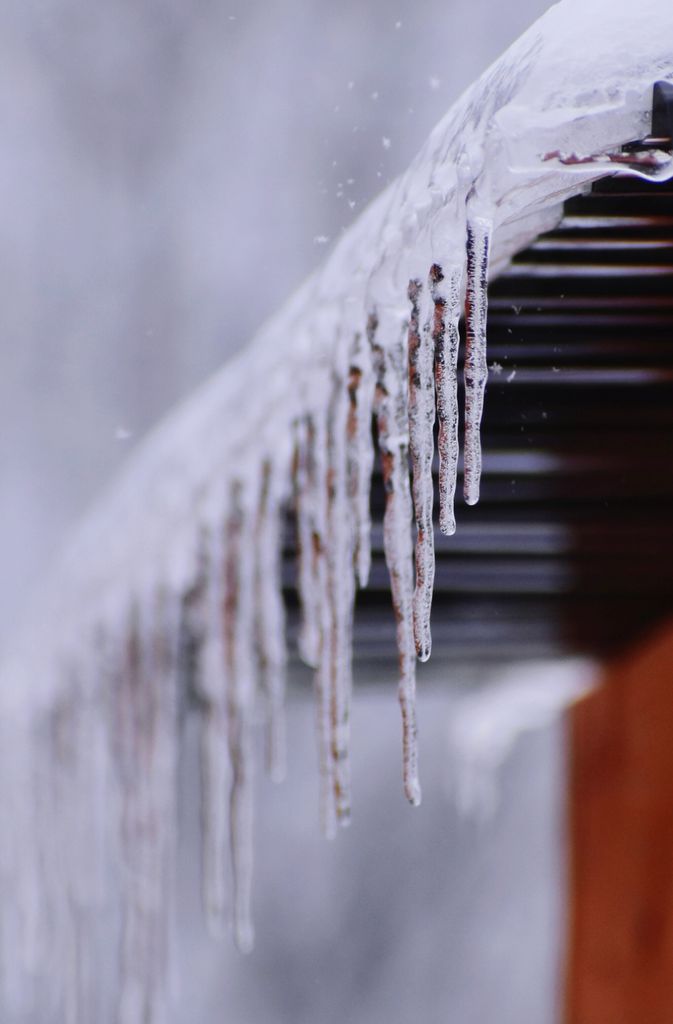
Some buildings have predictable areas where snow and ice accumulate on roofs, in valleys, around drainage points, or along roof edges. Any place where snow and ice accumulate above electrical equipment or produce large icicles is worth addressing before winter.
Large icicles have smashed or sheared conduit, electrical boxes, and other equipment on some of our customers’ buildings. We see this almost every year. Icicles also pose a risk when developing over high-traffic areas.
In other facilities, recurring snow and ice accumulation have contributed to drainage problems and water intrusion as accumulated snow and ice melt.
This doesn’t mean the electrical team needs to diagnose roofing or drainage problems. But if you already know a certain section of your building produces heavy icicles, ice dams, or runoff every winter, consider what lies beneath it.
Think back to last winter. Were there areas where unusually large icicles formed? Did snow repeatedly pile up in the same roof valley? Was there recurring runoff, freezing or leakage?
Those observations are useful now, while there’s still time to investigate why it happens and what can prevent or resolve it.
5. Confirm your backup power is ready
Backup power is something you hope not to need, which makes it easy to assume it will be there when you do. Before winter, look at what you actually know about the system.
Has it been tested recently? Are there known concerns that haven’t been addressed? Has anything changed around the unit since it was installed? Is the surrounding area still clear and accessible?
Battery condition is another consideration. Cold weather places additional demands on generator starting systems, which is why manufacturers include battery charge and condition checks as part of winter preparation. The specifics depend on the generator and backup-power system, so follow the manufacturer’s maintenance requirements and use qualified service providers for testing and repairs.
When it comes to backup power, the real question is whether the system is ready. If the answer is an old service record, an unresolved fault or “we haven’t checked lately,” finding that out before a winter outage gives you far more options than discovering it during one.
The best time to find a winter problem is before winter
None of these checks guarantees a problem-free season. That’s not the point. The advantage of looking early is that you still control the circumstances.
The electrical issue itself may not change between fall and winter, but the conditions around fixing it can.
Finding issues earlier gives you more opportunity to investigate, plan the work, coordinate access, order parts where needed and decide when repairs make the most sense for your operation.
If you’re not sure what should be reviewed before winter at your facility, Kraun Electric can help assess the electrical systems that matter to your operation and identify what may need attention before the cold weather arrives. Contact us at 905-684-6895, email kraun@service.ca, or use the form below to get in touch with our commercial service department.